Brides-to-be in Birmingham are being advised to consider visible facial veins earlier in their wedding preparations, as high-definition photography and professional lighting can make redness more noticeable.
Facial thread veins are small red or purple blood vessels that commonly appear across the cheeks, nose and chin. They are usually harmless and painless, but can affect confidence, particularly when people see their skin in close-up photographs for the first time.
The concern is often identified during engagement photo sessions or bridal makeup trials, when lighting, cameras and close-up application can draw attention to redness that may be less noticeable in everyday life.
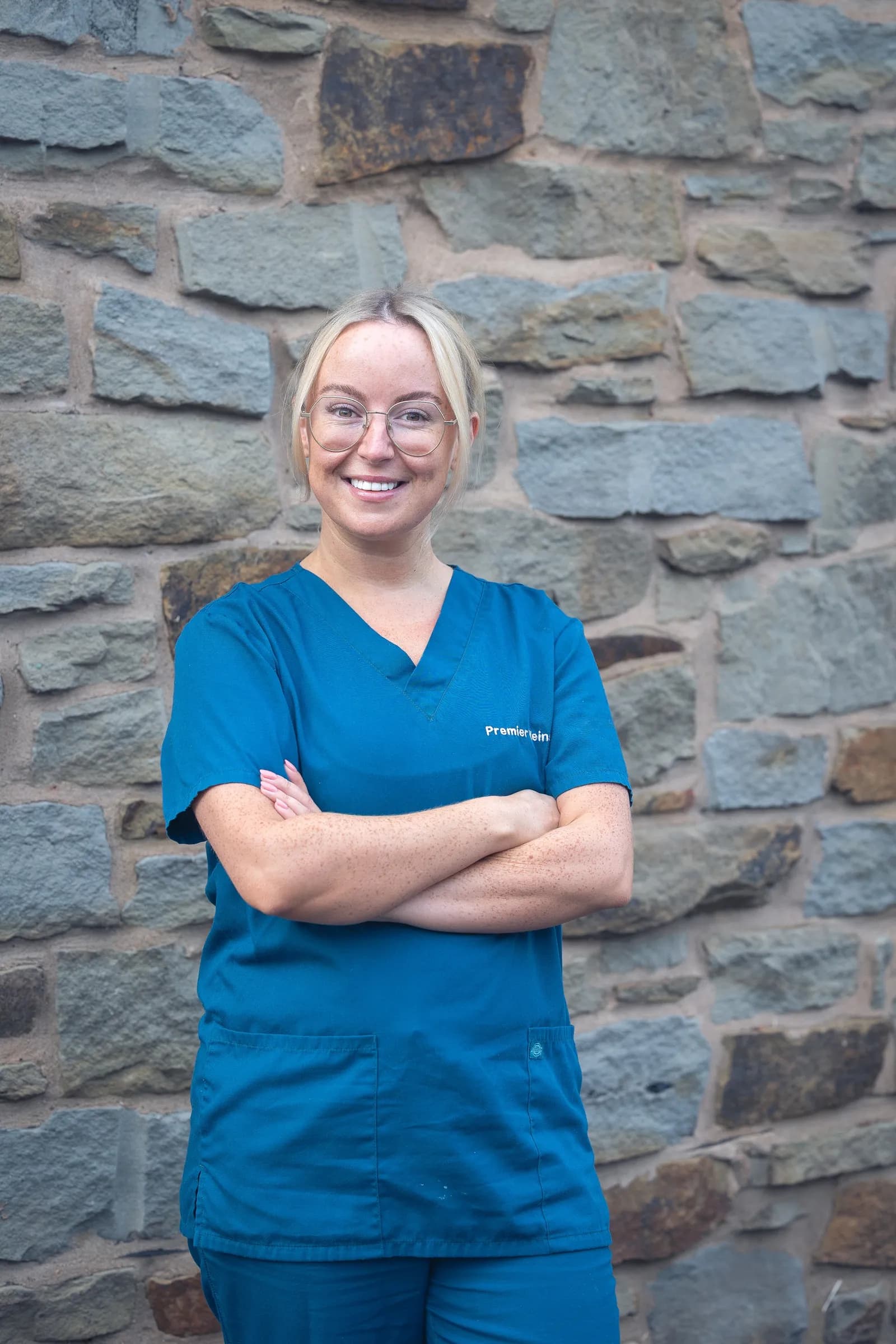
Jade Finan, a vascular nurse specialist and aesthetic practitioner at Birmingham-based Premier Veins, said: “Brides put a huge amount of thought into how they will look and feel on their wedding day, but facial veins are something many do not consider until quite late in the process.
“With high-definition photography, close-up makeup application and all-day filming, redness or small veins on the cheeks and nose can appear more noticeable than expected.”
Visible facial veins can develop for several reasons, including genetics, ageing, sun exposure and changes to the skin. They may also become more apparent over time as the skin becomes thinner.
Specialists are advising anyone concerned about facial veins to seek an assessment well before their wedding rather than booking a treatment immediately before the event.
Treatment options can involve sealing the affected blood vessels so they gradually fade. Shortwave diathermy, for example, uses heat generated by a high-frequency electrical current to target small visible vessels.
Appointments for smaller areas such as the cheeks and nose can typically take around 30 to 40 minutes, although suitability, recovery and the number of sessions required will vary from person to person.
Ms Finan said: “We often see brides-to-be after engagement shoots or makeup trials, when they have seen close-up images of their skin for the first time.
“By that point, timelines can feel much tighter. Starting earlier allows time for a proper assessment, treatment where appropriate and for the skin to settle before the wedding.”
People considering any facial treatment are advised to consult a suitably qualified practitioner, discuss potential side effects and ensure they have enough recovery time before an important event.